
Introduction: Understanding the Newborn Exam
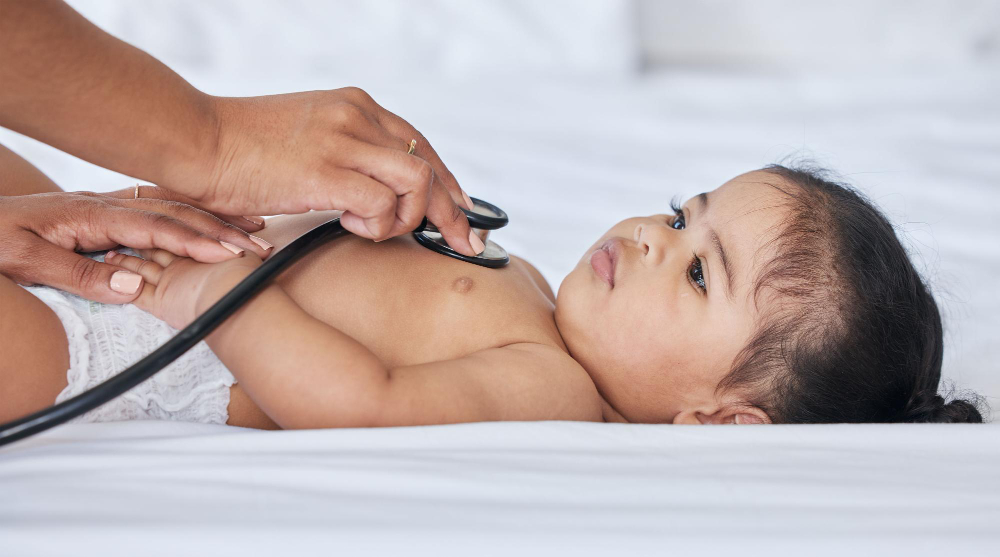
Every newborn needs a careful check-up soon after birth. This first newborn exam is very important. It helps doctors spot any health issues early. During a neonatal check-up, doctors look at your baby’s body, vital signs, and reflexes. They also check for signs of common problems. As a parent, knowing what doctors look for in a newborn can help you feel more prepared.
Why Neonatal Check-ups Matter
Neonatal check-ups are more than routine visits. First, they help doctors find health problems early. Early detection means your baby can get help right away. Also, these exams track your baby’s growth and development. In addition, doctors can answer your questions and give advice. According to the World Health Organization (WHO), early check-ups lower the risk of serious illness in newborns.
What Doctors Check During a Newborn Exam
During a newborn exam, doctors look at many parts of your baby’s health. Here are the main things they check:
Common Screening Tests for Newborns
Besides the physical exam, doctors do some standard tests. These help find hidden health problems. For example, your baby may have:
These tests are safe and quick. They help catch problems before symptoms appear.
What Parents Should Expect at the First Check-up
Knowing what to expect can ease your worries. During the first newborn exam, your baby may cry or move a lot. This is normal. The doctor will gently check your baby from head to toe. You may be asked about your baby’s feeding, sleep, and diaper changes. In addition, you can ask any questions you have. Here are some tips:
When to Seek Medical Advice
Sometimes, babies need extra care. Watch for these warning signs and call your pediatrician if you notice:
Early action can prevent serious problems. Never hesitate to ask your doctor if you are worried.
Prevention and Early Intervention
Early detection is key to good newborn health. Regular neonatal check-ups help find problems before they get worse. For example, treating jaundice early can prevent brain damage. Also, early hearing tests help babies get support if needed. The Centers for Disease Control and Prevention (CDC) says early care leads to better long-term health. So, always keep your baby’s check-up appointments.
Conclusion
In summary, a newborn exam checks your baby’s health from head to toe. These exams help doctors find and treat problems early. As a parent, knowing what to expect can help you feel more confident. Consult your pediatrician for personalized advice about your newborn’s health.