
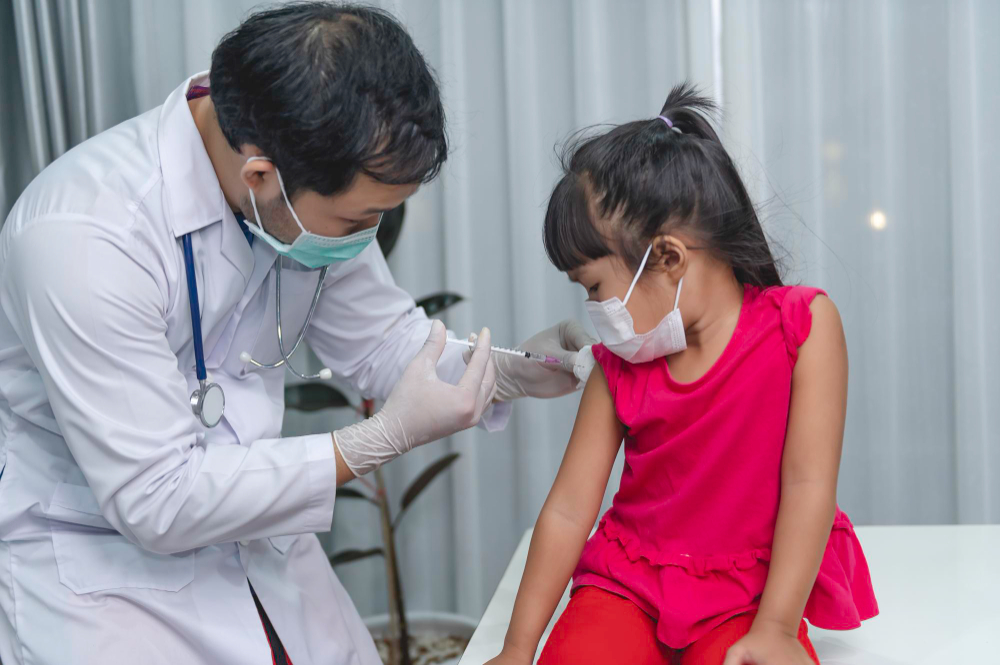
What is Sickle Cell Disease in Children?
Sickle Cell Disease in Children is a blood disorder that affects how red blood cells work. Normally, red blood cells are round and soft. However, in sickle cell anemia in kids, these cells become hard and shaped like a sickle or crescent. Because of this, the cells can block blood flow and cause pain. This condition is inherited, which means it is passed from parents to children. Although it is more common in certain groups, any child can be affected. Early diagnosis and proper pediatric sickle cell care can help children live healthier lives.
Common Symptoms
Children with sickle cell disease may show symptoms early in life. However, the signs can vary from child to child. For example, some children may have mild symptoms, while others may have more severe problems. Watch for these common signs:
Because symptoms can change over time, regular check-ups are important. If you notice any of these childhood sickle cell symptoms, talk to your doctor right away.
Causes and Risk Factors
Sickle cell disease is caused by a change in the genes that make hemoglobin. Hemoglobin is the part of red blood cells that carries oxygen. If both parents carry the sickle cell gene, their child has a higher risk. However, even if only one parent has the gene, the child can be a carrier. The disease is more common in children of African, Middle Eastern, or South Asian descent. Still, it can affect children from any background. Knowing your family history can help with early diagnosis and managing sickle cell in children.
Diagnosis Methods
Early diagnosis is key for better outcomes. In many places, newborns are tested for sickle cell disease soon after birth. However, if your child was not tested as a baby, doctors can use simple blood tests to check for the disease. These tests look for abnormal hemoglobin. If the test is positive, more tests may follow to confirm the diagnosis. Regular check-ups help track your child’s health and catch problems early. The CDC and WHO recommend early screening for all newborns at risk.
Treatment Options
While there is no cure for sickle cell disease in children, many treatments can help manage symptoms. Treatment plans often depend on the child’s age and health. Common options include:
Because each child is different, doctors will create a plan that fits your child’s needs. Regular visits to a pediatric specialist are important for ongoing care.
Daily Life and Care Tips
Managing sickle cell in children takes teamwork. Parents, doctors, and teachers all play a role. Here are some tips to help your child stay healthy:
With good pediatric sickle cell care, many children can enjoy normal activities. However, always talk to your doctor before making changes to your child’s routine.
Prevention and Outlook
Because sickle cell disease is inherited, it cannot be fully prevented. However, genetic counseling can help parents understand their risks. With early diagnosis and proper care, children with sickle cell anemia can live longer and healthier lives. Advances in treatment continue to improve the outlook for kids. For families in the United States and worldwide, support groups and local resources can offer help and advice. Always stay informed and work closely with your child’s healthcare team.
For personalized advice on sickle cell disease in children, consult a pediatric specialist.