
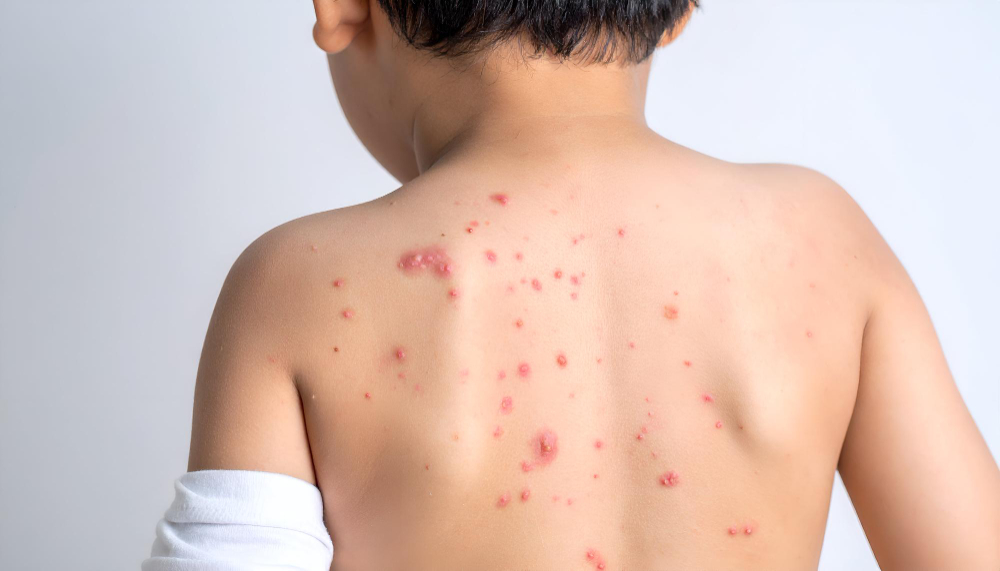
Introduction to Chickenpox in Children
Chickenpox in children is a common illness caused by the varicella-zoster virus. Many parents worry when their child gets chickenpox. However, there are many myths about chickenpox in children that can cause confusion. In this blog, we will clear up these myths and share the real facts. Understanding the truth can help you care for your child better and prevent the spread of the disease.
Myth 1: Chickenpox Is Always Mild in Children
Many people believe chickenpox is never serious for kids. However, this is not always true. Most children recover without problems, but some can have severe symptoms. For example, chickenpox can lead to skin infections, pneumonia, or even brain swelling in rare cases. According to the CDC, some children may need hospital care. Therefore, it is important to watch for warning signs and seek help if needed.
Myth 2: Once a Child Gets Chickenpox, They Can Never Get It Again
It is common to think that chickenpox gives lifelong protection. While most children do not get chickenpox twice, it is still possible. In rare cases, a child can get chickenpox again, especially if their immune system is weak. Additionally, the virus can stay in the body and cause shingles later in life. So, while repeat cases are rare, they can happen.
Myth 3: Chickenpox Parties Are Safe and Helpful
Some parents believe that exposing children to chickenpox on purpose is a good idea. However, this is not safe. Chickenpox can cause serious health problems, even in healthy children. The CDC and WHO strongly advise against chickenpox parties. Instead, vaccination is the safest way to protect your child from chickenpox.
Myth 4: The Chickenpox Vaccine Is Not Necessary
Another common myth is that the chickenpox vaccine is not needed. In fact, the vaccine is very effective at preventing chickenpox in children. It also helps prevent severe cases and complications. According to the CDC, vaccinated children are much less likely to get sick or spread the virus. Therefore, getting your child vaccinated is the best way to keep them safe.
Myth 5: Chickenpox Can Only Spread Through Direct Contact
Many people think chickenpox spreads only by touching the rash. However, the virus can also spread through the air. For example, when an infected person coughs or sneezes, the virus can travel in tiny droplets. Because of this, chickenpox is very contagious. Keeping your child away from others while they are sick helps prevent the spread.
Myth 6: Scratching the Rash Makes It Heal Faster
Some believe that scratching the rash will help it go away. In reality, scratching can make things worse. It can cause skin infections and lead to scars. To help your child, keep their nails short and use soothing lotions. This can reduce itching and lower the risk of infection.
Myth 7: Home Remedies Can Cure Chickenpox
Many home remedies claim to cure chickenpox in children. However, there is no quick cure. Most children get better on their own with rest and fluids. While some remedies may ease symptoms, they do not speed up recovery. If you are unsure about a treatment, always ask your doctor first.
Symptoms, Causes, and Prevention
Chickenpox in children usually starts with fever, tiredness, and a red, itchy rash. The rash turns into blisters and then scabs. The varicella-zoster virus causes chickenpox. It spreads easily from person to person. To prevent chickenpox, the best method is vaccination. The vaccine is safe and protects most children from getting sick. Good hygiene, like handwashing, also helps stop the spread.
When to Consult a Pediatrician
Although most cases are mild, you should call your doctor if your child:
Early medical care can prevent serious problems.
Conclusion: Trust the Facts, Not the Myths
In summary, chickenpox in children is often mild, but it can be serious. Many myths about chickenpox can lead to confusion and risk. Instead, trust facts from reliable sources like the CDC and WHO. If you have questions or concerns, consult your healthcare provider for advice that fits your child’s needs.