
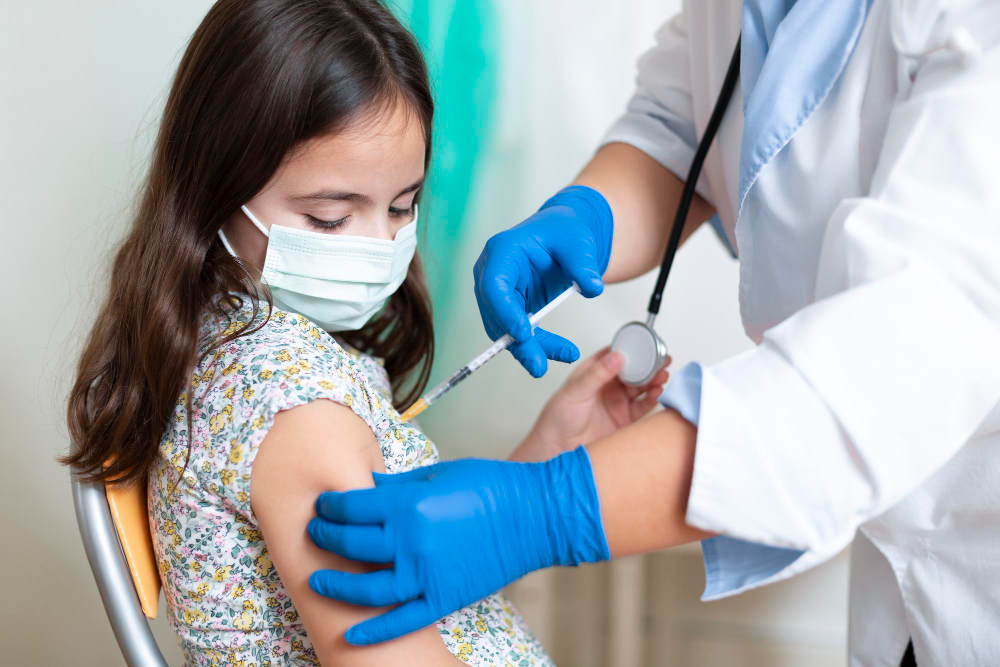
Vaccines are one of the best ways to keep children healthy. However, many parents still worry because of common vaccine myths. Immunisation protects your child from serious diseases, but confusion can make decisions hard. In this blog, we will clear up common myths about vaccines. We will also explain why immunisation is so important for your child’s health and safety.
Understanding Childhood Vaccination
First, let’s talk about what vaccines are. Vaccines are special medicines that help the body fight diseases. When your child gets a vaccine, their body learns to defend itself against certain germs. As a result, if your child meets these germs later, their body can fight them off quickly. This means your child is less likely to get sick. For example, vaccines protect against diseases like measles, polio, and whooping cough.
Common Vaccine Myths and Facts
Many myths about childhood vaccines can cause worry. But knowing the facts can help you make the best choice for your child. Here are some common myths and the truth behind them:
Why Immunisation Is Essential for Your Child
Immunisation offers many benefits. First, it protects your child from dangerous diseases. Some illnesses, like measles or polio, can cause lasting harm or even death. But vaccines help prevent these risks. In addition, vaccines help stop the spread of diseases in your community. When most people are vaccinated, it is harder for germs to spread. This protects babies, elderly people, and those who cannot get vaccines. Therefore, immunisation keeps everyone safer.
Safety and Side Effects of Vaccines
Many parents worry about vaccine safety. However, vaccines are tested many times before they are given to children. Health experts watch for any problems. Most side effects are mild and go away quickly. For example, your child may have a sore arm or a mild fever. Serious side effects are very rare. If they do happen, doctors know how to help. The benefits of vaccines are much greater than the small risk of side effects.
Always tell your doctor if your child has had a reaction to a vaccine before. This helps keep your child safe.
How to Stay Informed and Make Confident Decisions
Your child’s doctor can answer your questions. In addition, you can:
Remember, your healthcare provider wants the best for your child. They can help you make the right choices about vaccines.
Conclusion
In summary, vaccines are a safe and powerful way to protect your child. By learning the facts and ignoring vaccine myths, you help keep your family and community healthy. Immunisation saves lives and prevents suffering. Consult your pediatrician for personalized vaccine guidance and to address any concerns.