
What is Childhood Asthma?
Childhood asthma is a long-term lung condition that affects many children. It causes the airways in the lungs to become swollen and narrow. Because of this, it can be hard for children to breathe. Many families worry about asthma, but understanding it helps you care for your child. In fact, early knowledge can make a big difference in your child’s health. Pediatric asthma is common, but with the right care, most children lead active lives.
Common Symptoms of Childhood Asthma
Asthma symptoms can look different in each child. However, some signs are more common. Knowing these helps you spot problems early. For example, you might notice:
Sometimes, symptoms get worse during a cold or with allergies. If you see these signs often, talk to your doctor. Early action can help prevent severe asthma attacks in children.
Causes and Risk Factors
While the exact cause of childhood asthma is not always clear, several factors can increase risk. For instance, children with a family history of asthma or allergies are more likely to develop it. In addition, exposure to certain triggers can make asthma worse. These triggers include:
Moreover, children who had low birth weight or frequent lung infections as babies may be at higher risk. Understanding these causes helps families avoid triggers and manage asthma in kids better.
How Childhood Asthma is Diagnosed
Doctors use several steps to diagnose childhood asthma. First, they ask about your child’s symptoms and family history. Next, they may listen to your child’s breathing. Sometimes, doctors use tests to check how well your child’s lungs work. For example, a simple breathing test called spirometry measures airflow. However, young children may not always be able to do this test. In such cases, doctors may rely on symptoms and response to asthma medicines. If you think your child has asthma, see a pediatrician for a full check-up.
Treatment Options for Childhood Asthma
Treating pediatric asthma usually involves daily care and quick relief during attacks. Most children use two types of medicines:
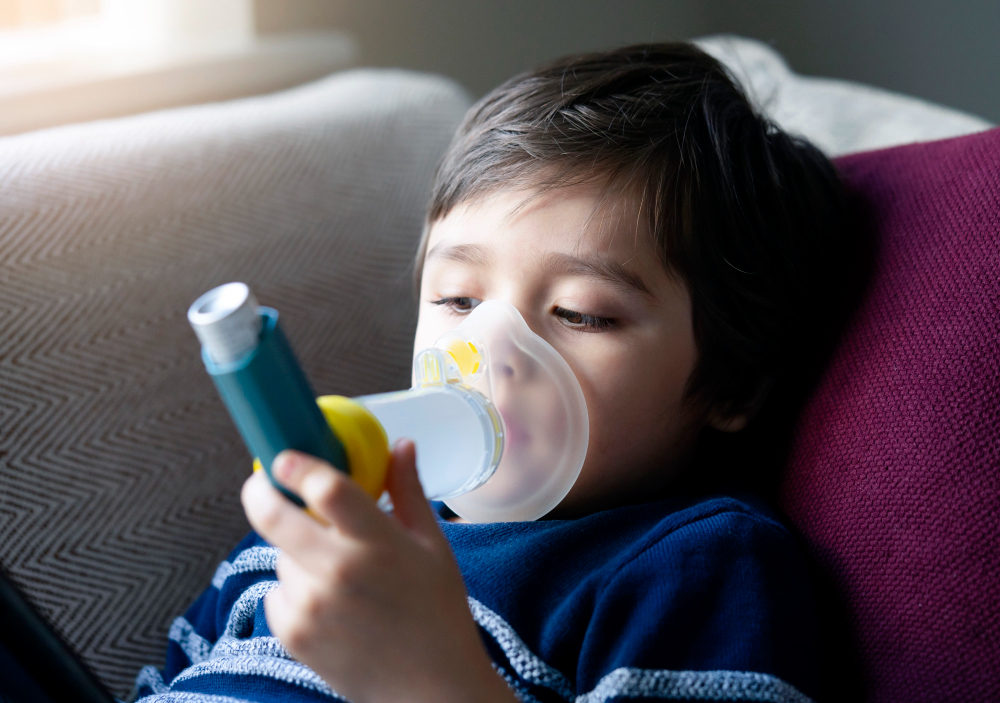
Doctors may also suggest inhalers or nebulizers for children. In addition, they will teach you and your child how to use these devices. Regular check-ups help track progress and adjust treatment as needed. Always follow your doctor’s advice for managing asthma in kids.
Lifestyle Tips and Home Management
Managing childhood asthma at home is important. With a few simple steps, you can help your child stay healthy. For example:
Furthermore, teach your child how to use their inhaler or medicine. Make sure teachers and caregivers know about your child’s asthma plan. This way, everyone can help prevent asthma attacks in children.
Preventing Asthma Attacks in Children
Although asthma cannot be cured, you can lower the risk of attacks. First, follow your child’s asthma action plan every day. Next, avoid triggers like smoke, pollen, and pets if they cause symptoms. In addition, keep up with regular doctor visits. If your child gets sick, watch for early asthma signs. Quick action can stop attacks from getting worse. Finally, make sure your child takes their medicine as prescribed. With these steps, you can help your child breathe easier and stay active.
In summary, childhood asthma is common but manageable. With the right care and knowledge, your child can enjoy a healthy, active life. Consult a pediatrician for personalized advice on managing childhood asthma.