
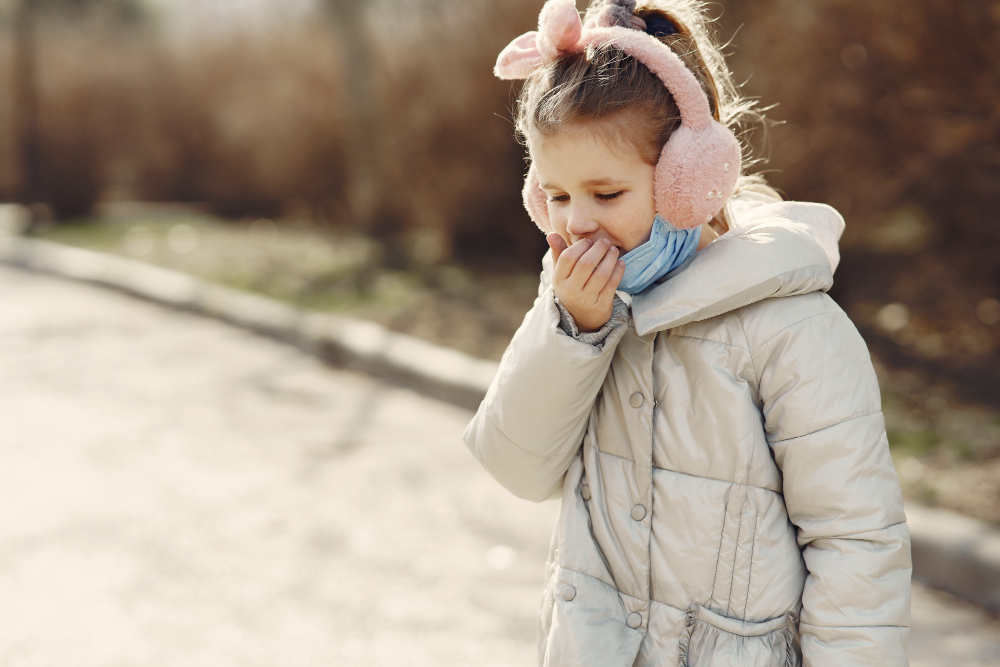
Winter and respiratory health in children are closely linked. As temperatures drop, childhood winter illnesses become more common. Many parents worry about protecting kids from winter respiratory infections. Children’s respiratory health can be affected by cold weather, indoor heating, and crowded spaces. Because of this, it is important to know how to prevent and manage these illnesses. In this blog, you will learn about common winter respiratory illnesses, symptoms, prevention, and care tips. This guide will help you keep your child healthy during the colder months.
Common Respiratory Illnesses in Children During Winter
During winter, children are more likely to catch certain respiratory illnesses. These illnesses spread easily in cold weather and crowded places. Here are some of the most common ones:
Each of these illnesses can make children feel unwell. However, most are mild and get better with care at home.
Symptoms to Watch For
It is important to notice early signs of respiratory illness. Early care can help your child recover faster. Watch for these symptoms:
If your child has trouble breathing or a high fever, seek medical help right away.
Causes and Risk Factors
Children are more vulnerable to winter respiratory illnesses for several reasons. First, their immune systems are still developing. Also, cold air can dry out the nose and throat, making it easier for viruses to enter. In addition, children often spend more time indoors during winter. This increases close contact and the spread of germs. Crowded places, like schools and daycare centers, can also raise the risk. Finally, children with asthma or allergies may have more problems in cold weather.
Diagnosis and When to See a Doctor
Doctors usually diagnose respiratory illnesses by asking about symptoms and doing a physical exam. Sometimes, they may order tests, like a throat swab or chest X-ray. You should see a doctor if your child:
Early medical care can help prevent serious problems. The CDC and WHO recommend seeing a doctor if you are unsure about your child’s symptoms.
Treatment and Home Care Tips
Most mild respiratory illnesses can be managed at home. Here are some tips to help your child feel better:
If symptoms get worse or do not improve, contact your healthcare provider.
Prevention Strategies for Parents
Prevention is key to keeping children healthy during winter. Here are some steps you can take:
These steps can lower the risk of winter illness for kids, especially in cold climates.
Lifestyle Guidance for Healthy Winters
Healthy habits can support your child’s immune system during winter. For example, offer a balanced diet with fruits and vegetables. Encourage your child to drink enough water, even when it is cold. Also, let them play outside when the weather is safe. Fresh air and sunlight are good for health. Dress your child in layers to keep them warm. Finally, make sure they get enough sleep each night. These habits help prevent winter illness and keep children’s respiratory health strong.
In summary, winter and respiratory health in children need special attention. By knowing the symptoms, causes, and prevention tips, you can protect your child from common winter illnesses. If you have concerns, consult a pediatrician for personalized advice on your child’s winter respiratory health.